


Custom T-Shirt Printing Cost NYC: 7 Price Factors
If you are pricing custom T-shirts in New York City, the first answer is usually the least satisfying one: the final cost depends on the details of the order.
A simple one-color event tee is not priced the same way as a heavyweight streetwear shirt with oversized artwork. A small batch of custom T-shirts Brooklyn customers need for a pop-up is different from bulk custom T-shirt printing NYC brands order for a full merchandise drop. Embroidered polos, DTF transfers, DTG prints and screen-printed shirts all use different materials, machines and labor.
The good news is that quotes are not random. Most apparel printers look at the same core factors when building a price. Once you understand those factors, it becomes much easier to compare quotes, choose the right print method and avoid surprise costs.

The short answer on custom T-shirt pricing in NYC
There is no single flat rate for custom T-shirt printing in NYC because every order has its own production needs. A quote usually combines:
The blank garment
The number of pieces
The artwork setup
The number of print locations
The decoration method
The turnaround time
Any finishing, packing or labeling
That means a low-cost shirt may be perfect for a one-day giveaway, while premium custom apparel NYC brands sell at retail needs a higher-quality blank, stronger decoration and better finishing.
The cheapest quote is not always the best value. The right quote matches the garment, print method and deadline to how the shirts will actually be used.
If you want a useful custom apparel quote, send your printer as much detail as possible upfront. Include the garment type, quantity, artwork file, desired print size, deadline and where the design goes on the shirt.
1. The blank garment affects the base price
The shirt itself is the foundation of the quote. Before any ink, thread or transfer touches the fabric, the printer has to source the blank apparel.
Basic cotton tees are usually the most budget-friendly. They work well for events, fundraisers, school trips, volunteer shirts and simple staff uniforms. They get the job done without pushing the quote higher than needed.
Higher-end blanks cost more. That includes:
Heavyweight cotton tees
Garment-dyed shirts
Oversized streetwear blanks
Organic or recycled fabric options
Tri-blend or performance shirts
Premium hoodies and crewnecks
The garment also affects how the decoration looks. A thin budget tee may not support heavy ink coverage as well as a thicker shirt. A fleece hoodie needs different handling than a lightweight tee. A stretch performance shirt may require a decoration method that can move with the fabric.
If two quotes look very different, check whether they use the same blank. One shop may quote a basic tee, while another quotes a premium retail-quality shirt. The second quote may seem higher, but it may also be closer to the look and feel you actually want.
2. Quantity changes the price per shirt
Quantity is one of the biggest factors in any apparel order. In general, the larger the order, the lower the cost per piece.
That happens because setup work gets spread across more shirts. For screen printing NYC orders, the shop has to prepare screens, mix ink, register the design and set up the press. Whether you print a small run or a much bigger run, that setup still takes time. Larger quantities make that setup more efficient per shirt.
Common quantity breaks often happen around small batch, mid-size and bulk levels. The exact breaks vary by shop, garment and print method.
Small orders can still make sense, especially for:
Sample drops
Team gifts
Creator merch tests
Pop-up inventory
Small staff uniforms
Family events
Larger orders usually make sense when the design is final and the shirts have a clear use. If you already know you need more pieces, ordering them at once is usually more cost-effective than placing several small repeat orders.
3. Artwork quality can raise or lower setup time
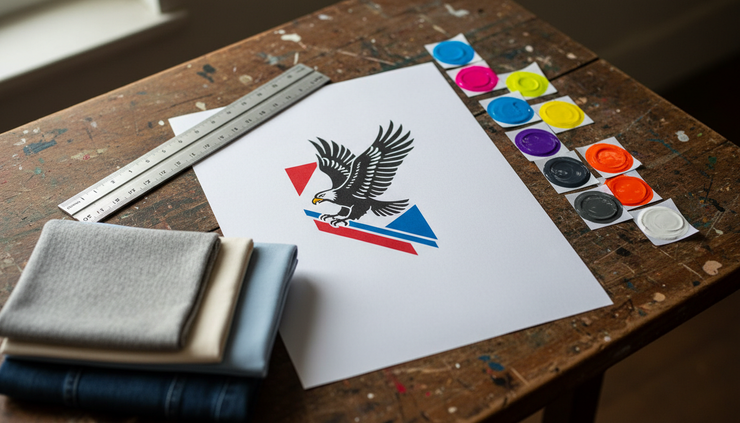
Your art file matters more than many people expect. Clean, print-ready artwork is easier to quote and produce. Low-resolution artwork takes more time to fix, rebuild or prepare.
A printer may need extra art prep if the file is:
A blurry screenshot
A small JPEG pulled from a text message
A design with rough edges
A file with missing fonts
A graphic that needs color separation
A logo that must be redrawn as vector art
For simple printing, vector files are often best for logos and clean graphics. Common file types include AI, EPS, SVG and high-quality PDF files. High-resolution PNG files can also work well for some methods, especially DTG and DTF printing.
Artwork also affects the number of colors in the design. A one-color logo is usually easier and cheaper to produce than a full-color illustration. That does not mean full-color art is a bad idea. It just means the printer has to choose the right method and account for the production time.
If your artwork is not ready, ask whether the quote includes art cleanup. Some shops include light file prep. More involved cleanup, redraws or design work may be priced separately.
4. Print locations add labor and setup
Where you place the design affects the quote. A shirt with one front chest print is simpler than a shirt with a front, back, sleeve and neck label print.
Each print location may require extra setup, alignment and handling. The printer must load the shirt correctly, position the artwork and check consistency across the run. More locations mean more time on press or more steps in production.
Common print locations include:
Full front
Left chest
Full back
Upper back
Sleeve
Inside neck
Outside neck
Hem area
Size also matters. A small left chest logo does not use the same amount of ink, transfer material or production time as a large oversized back print. Large prints may require different equipment, special setup or more careful curing.
For budget-friendly shirts, keep the design to one strong print location. For retail apparel, multiple placements can add value, especially if the goal is a finished product that feels like a brand piece rather than a simple event tee.
5. The decoration method changes the quote
Different print methods have different cost structures. The right choice depends on quantity, artwork, garment type and desired finish.
Method | Best fit | What affects cost |
Screen printing | Medium to large runs, bold graphics, spot colors | Number of colors, number of screens, quantity and print locations |
DTF printing | Full-color designs, small batches, mixed garments | Transfer size, quantity, placement and garment type |
DTG printing | Detailed full-color prints on cotton garments | Artwork size, ink coverage, pretreatment and shirt fabric |
Embroidery | Polos, hats, workwear and premium pieces | Stitch count, design size, thread colors and placement |
Screen printing is often a strong choice for larger runs. It produces durable prints and works especially well for logos, text, bold graphics and limited-color designs. It does require setup, so it may not always be the best fit for very small runs with many colors.
DTF printing NYC orders can work well when the design has many colors or when the order includes several garment types. DTF transfers can be useful for small to mid-size runs, full-color artwork and prints on materials that may not be ideal for DTG.
DTG printing Brooklyn orders are often used for detailed artwork on cotton shirts. It prints directly onto the garment and can be a good fit for small batches or designs with gradients and fine detail. Fabric choice matters, because DTG tends to perform best on certain cotton-rich garments.
Embroidery NYC pricing works differently because the design is stitched with thread instead of printed with ink. The stitch count, design size and garment structure all matter. Embroidery is common for polos, hats, jackets, aprons and workwear. It can create a premium look, but it is not the right fit for every T-shirt graphic.

6. Rush turnaround can increase the final price
Rush custom shirts NYC orders are common. Events move fast, teams need uniforms, pop-ups get confirmed late and merch ideas often come together close to launch day.
A faster deadline can raise the quote because the shop may need to adjust its production schedule, order garments faster or add labor to meet the date. Rush work can also limit your options. A specific premium blank may not be available quickly. A complex multi-location job may not fit into a short window. A large embroidery order may need more time than a basic single-location print.
If speed is the priority, keep the order simple:
Choose in-stock garments
Use one print location
Avoid last-minute artwork changes
Approve the mockup quickly
Be flexible on brand, color or exact garment style
The earlier you start, the more control you have over price and quality. A normal production window gives the printer time to source the right blanks, prepare the artwork, run the job and check the finished shirts before pickup or shipping.
7. Finishing services add polish and cost
Finishing services can make custom apparel feel more complete. They can also add time and cost because each piece needs extra handling.
Common finishing options include:
Folding
Individual bagging
Size stickers
Hang tags
Woven labels
Printed neck labels
Relabeling
Sorting by size or department
Pack-by-name or pack-by-location orders
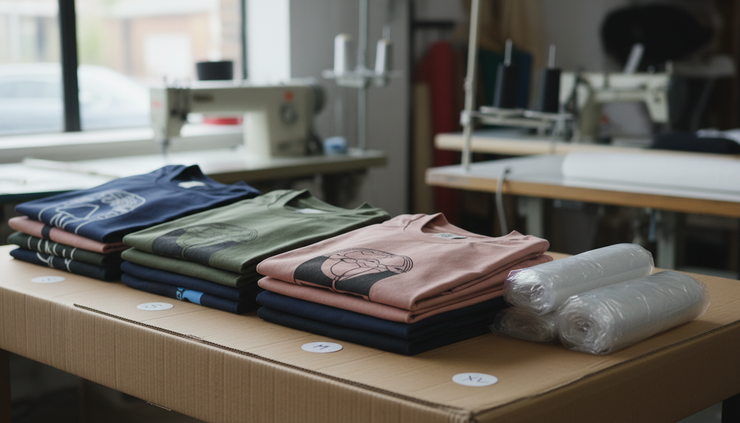
For a family reunion or one-day event, you may not need much finishing. For a clothing brand, retail drop or staff rollout, finishing can make a major difference.
Printed neck labels are a good example. Removing or covering the original label and adding your own size and care information creates a more polished product. It also requires setup, correct placement and careful production.
If your shirts need to arrive ready to sell, ship or hand out, tell the printer before they quote. It is much easier to price finishing upfront than to add it after production has already started.
How to compare apparel quotes without getting confused
Two quotes can look similar on the surface and still include very different things. Before choosing, compare the details line by line.
Look for:
Exact garment brand, style and color
Total quantity and size breakdown
Decoration method
Number of print locations
Print size
Number of ink colors or thread colors
Artwork prep fees
Setup fees
Rush fees
Finishing services
Pickup, delivery or shipping details
Estimated production time
A clear quote should show what is included. If something is vague, ask. A good printer will explain why one method costs more, why a certain blank is better or why a deadline changes the price.
The goal is not always to find the lowest number. The goal is to avoid paying for the wrong thing. If the shirts are for a giveaway, a simple setup may be perfect. If they are for a merch drop, the garment quality, print feel and finishing matter more.
How to keep your custom shirt order on budget
You can control the final cost by making a few smart choices before you request pricing.
Start with the use case. A staff shirt, concert merch piece and family event tee do not need the same blank or decoration method. Tell the printer how the shirts will be used so they can recommend the right setup.
Set a realistic quantity. If you only need a small batch, ask which methods are best for low quantities. If you need a larger run, ask where the price breaks are.
Prepare clean artwork. Send the best file you have, not a screenshot. If you need design help, say so upfront.
Limit print locations when budget matters. One strong front or back print can look better than several rushed placements.
Build in time. Rush fees are easier to avoid when the order is approved early.
Ask for options. A helpful shop can often quote a good, better and premium version of the same order. That makes the trade-offs much easier to see.
The best quote is the one that matches the job
The custom T-shirt printing cost NYC buyers see on a quote is not just a price for ink on fabric. It reflects the garment, quantity, artwork, print locations, decoration method, deadline and finishing work.
If you want simple event shirts, keep the order clean and efficient. If you want premium merch, invest in the blank, print quality and finishing details. If you need a fast turnaround, simplify the design and be ready to approve quickly.
A better quote starts with better information. Share the shirt style, quantity, artwork, deadline and goals with your printer, then ask which method gives you the best balance of cost, quality and speed. That is how you get custom apparel that looks right, feels right and fits the budget.


Comments